​Our Kindergarten accepts children from 4 months old to six years old.

In Grade R, the children learn through play. movement, art, music, stories, and their own creativity are the driving forces.

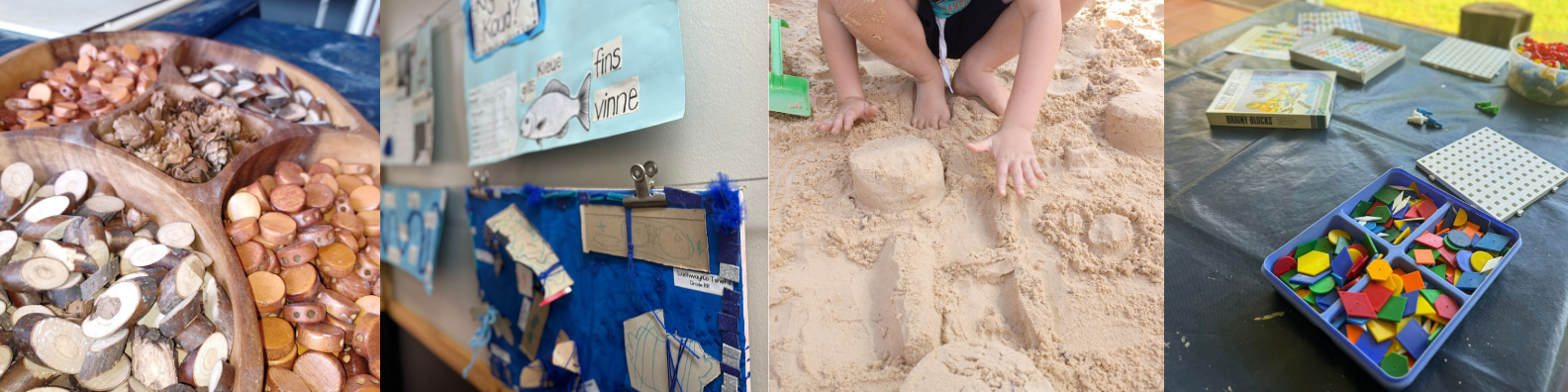
Readiness is developed through play in a text-rich environment, which ensures that children naturally become interested in reading and writing and naturally develop the skills required for it.

Because the focus is on each child’s own interest and skills, activities are guided instead of following an inflexible formal lesson plan. Instead of formal tests, there is continuous observation and assessment of the growth in skills.

Today we know that the brain makes sense of the world through play. Active play supports and facilitates brain development. Therefore, we plan a curriculum for learners based on active participation through exploration and discovery.

Drama

Drama classes are presented weekly by a qualified drama coach. Drama gives children the emotional freedom to express themselves, which leads to improved self-confidence and impulse control. In the second term, Wacky words  is held. At the end of the year, there is a school concert in which everyone can participate.

Sport

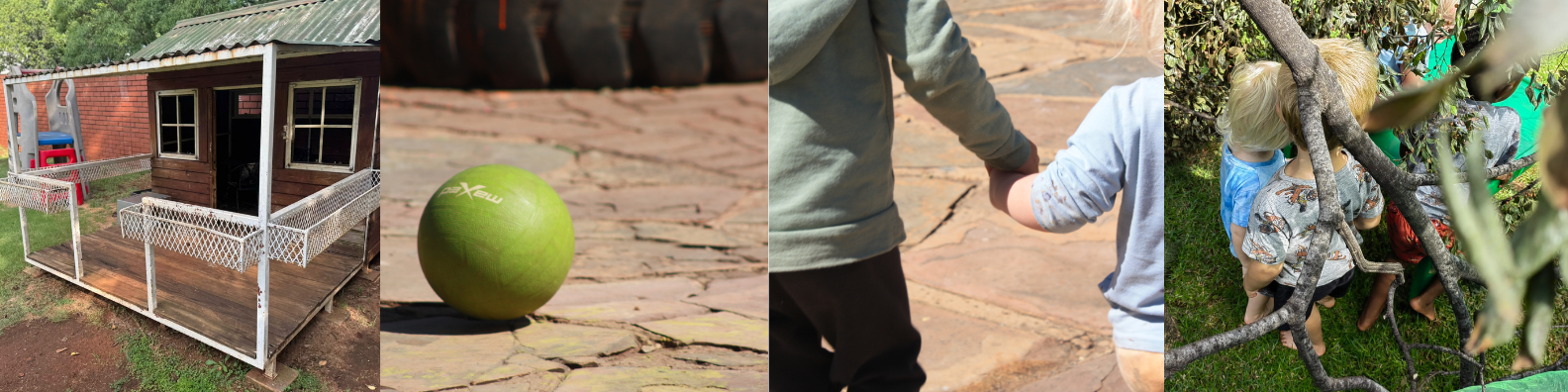
Various sports activities are offered. For children younger than Grade R, physical play is used to develop a range of gross and fine motor skills. At Regio, we believe that true growth is not measured by competition, but by confidence and skill. That is why we emphasize balance, ball skills, general fitness, and the development of basic cricket, hockey, rugby, and soccer skills.

Grade R sports periods are presented by a qualified biokineticist, ensuring that every child receives the right support and guidance. A highlight of the year is our family day, where everyone can play, laugh, and learn together.
Emotional intelligence

Emotional intelligence is the ability to understand, use, and manage your own emotions in ways that promote well-being. This includes relieving stress, communicating effectively, showing empathy, handling challenges, and resolving conflict positively.

At Regio, we encourage and support our learners to develop and apply this unique intelligence in their daily lives.

Creative problem solving

Creative problem-solving means learners learn to think beyond the ordinary and discover new, original solutions to challenges. At Regio, we see this as a core skill, because we believe children build true confidence when they independently and resourcefully find their own answers.

This ability goes far beyond the classroom: it equips learners to become innovators, collaborators, and lifelong problem-solvers — skills they need to thrive in an ever-changing world.

Play as the language of learning!

We are here to remind adults.

Play is universal; every child, everywhere in the world, can play. It sparks curiosity, nurtures creativity, and inspires a lifelong love of learning. Children who play develop a wide variety of skills that help them flourish today and lay the foundation for a healthier, happier life tomorrow.

In a world that is constantly changing, how do we truly prepare our children?

We let them play. Play is practice for life: it teaches children to think, to negotiate, to adapt to new rules, and to try again when things don’t go according to plan.

Albert Einstein, as an adult, recalled a simple play experience that inspired his love for science. When he was a little boy, sick in bed, his father gave him a magnetic compass. He spent hours turning it, wondering how the needle always knew to point north. Later, he wrote: “I can still remember that this experience made a deep and lasting impression on me. Something deeply hidden had to be behind things.” This playful moment was the beginning of a lifetime of discovery.

As parents and educators, we know how precious it is to see a child play — to hear their ideas, explore their worlds, and watch their creativity unfold. Young children learn differently from adults: they learn through movement, through their senses, through imagination, and through interaction with others. Play brings together the logical and creative parts of the brain — it makes learning come alive.

The many faces of play.

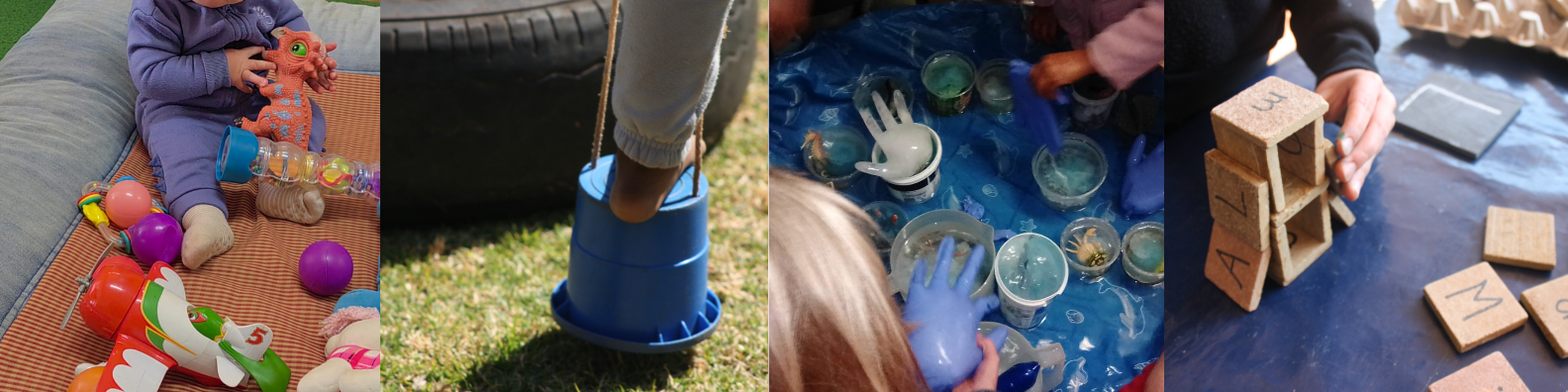
Constructive play

When children build, arrange, or create, they develop problem-solving skills, planning, and perseverance. Jean Piaget described this as an important form of learning.

Book corner

Reading together, even for just a few minutes a day, builds literacy, language, and comprehension. Every page discovered together creates hours of learning and joy.

Music

Music connects. It builds emotional well-being, reduces stress, and brings people together. For children, it opens the door to rhythm, pattern recognition, and joy.

Pretend play

By taking on imaginative roles, children build self-confidence, empathy, and the ability to express themselves. It is the training ground for creative thinking and social skills.

Movement

Movement is life. It stimulates not only the body but also the brain — from circulation and metabolism to emotional regulation and healthy development.

Free play

When children play independently, they learn to find their own solutions, tackle problems, and develop unique ways of thinking. These are the building blocks of independence and self-confidence.

Play is how children naturally learn. It is the key to creativity, imagination, problem-solving, and a lifelong love of learning.

That is why every curriculum should place play at its center — because through play, children not only learn about the world, they learn how to live in the world.